
Essential Nutrients for Muscle Maintenance
Discover the critical nutrients your body needs to maintain lean muscle mass, support recovery, and optimise athletic performance. Our comprehensive guide breaks down science-backed nutritional strategies for sustainable muscle health.
Key Muscle Maintenance Statistics
Muscle Loss Rate
Average loss per decade without adequate protein intake and resistance training
Protein Per Kg
Recommended daily protein intake for optimal muscle maintenance in active individuals
Recovery Window
Critical period for nutrient absorption following intense resistance exercise
Essential Amino Acids
All nine must be obtained through diet for complete muscle protein synthesis
Critical Nutrients for Muscle Health
Understanding which nutrients play essential roles in muscle maintenance helps you make informed dietary choices for long-term strength and athletic performance.
Protein & Amino Acids
Protein serves as the structural foundation for muscle tissue. Complete proteins containing all nine essential amino acids support muscle protein synthesis and repair following training sessions. Aim for distributed protein intake throughout the day for optimal muscle adaptation.
Micronutrients & Minerals
Magnesium, zinc, and iron support muscle function and energy production. Calcium maintains bone density alongside muscle mass, preventing injuries. B vitamins facilitate energy metabolism during intense training. These micronutrients work synergistically to support overall muscular health.
Hydration & Electrolytes
Water comprises 75% of muscle tissue. Proper hydration maintains cellular function, supports nutrient transport, and enables muscle contraction. Electrolytes like sodium and potassium regulate fluid balance, preventing cramping and supporting endurance during training.
Carbohydrates for Energy
Carbohydrates fuel muscle contractions and replenish glycogen stores depleted during exercise. Complex carbohydrates provide sustained energy for training sessions. Post-exercise carbohydrate intake accelerates recovery and supports muscle protein synthesis when paired with protein.
Antioxidants & Recovery
Intense training generates oxidative stress. Antioxidants from fruits and vegetables combat free radical damage, reducing inflammation and supporting faster recovery. Vitamins C and E, plus polyphenols, protect muscle cells from damage during adaptation phases.
Healthy Fats & Hormones
Omega-3 and omega-6 fatty acids regulate hormone production, including testosterone and growth factors essential for muscle development. Healthy fats support joint health, reduce inflammation, and improve nutrient absorption of fat-soluble vitamins.
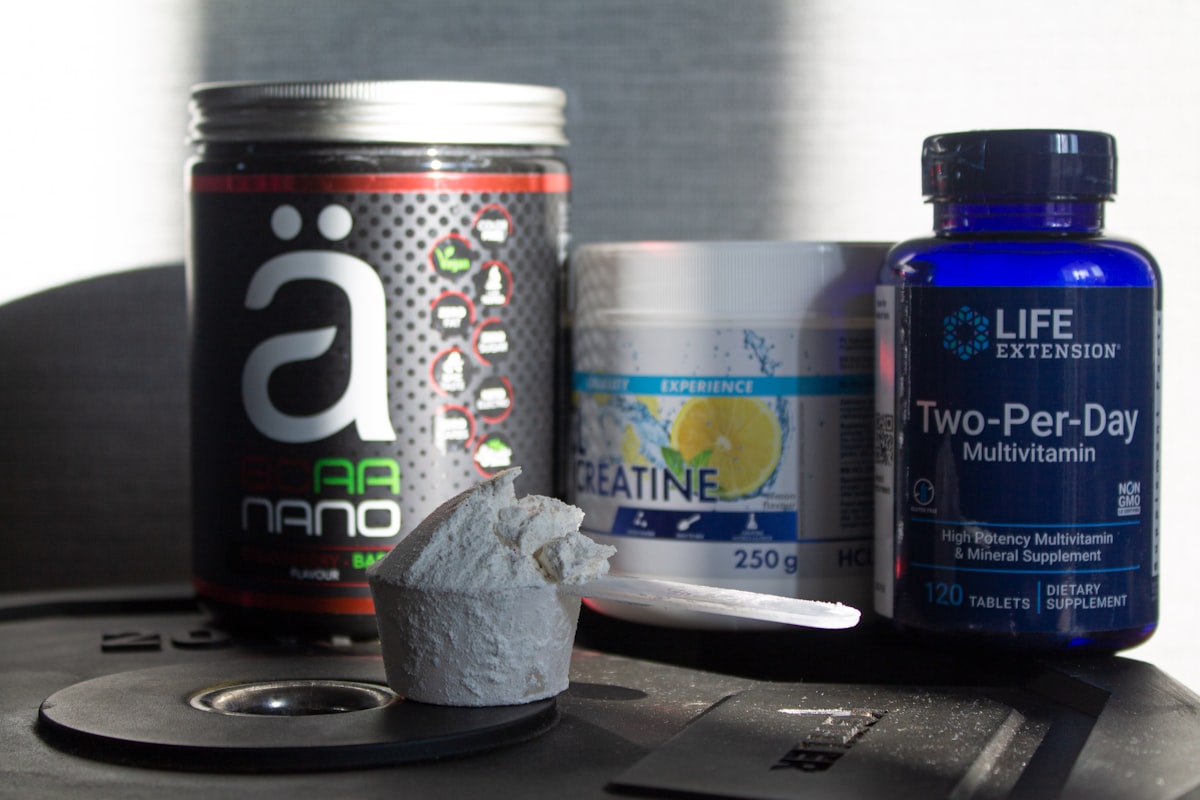
Protein's Role in Muscle Recovery
Protein is the primary nutrient responsible for building and maintaining muscle tissue. When you engage in resistance training, muscle fibres experience microscopic damage. Your body repairs this damage through a process called muscle protein synthesis, which requires adequate amino acid availability.
The timing and quantity of protein intake significantly influence recovery outcomes. Research indicates that consuming 20-40 grams of quality protein within two hours of training optimises muscle adaptation. This window represents your muscles' heightened sensitivity to amino acids and increased capacity for protein synthesis.
Protein quality matters as much as quantity. Complete proteins containing all nine essential amino acids—particularly leucine, isoleucine, and valine (branched-chain amino acids)—trigger the strongest anabolic response. Distributing protein intake across three to four meals per day maintains consistent muscle protein synthesis throughout your day.
Protein Distribution Strategy:
- • Breakfast: 25-35g protein to break overnight fast
- • Mid-morning: 15-20g snack for sustained synthesis
- • Lunch: 30-40g to support afternoon activity
- • Pre-workout: 15-20g for training performance
- • Post-workout: 25-40g within 2 hours of training
- • Evening: 20-30g casein protein for overnight recovery
Common Questions About Muscle Nutrients
Most research recommends 1.6 to 2.2 grams of protein per kilogram of body weight daily for individuals engaged in regular resistance training. This translates to approximately 110-150g daily for a 70kg person. Your exact requirement depends on training intensity, age, and recovery capacity. Distribute this across three to four meals for optimal muscle protein synthesis response.
Complete proteins contain all nine essential amino acids in adequate quantities. Animal sources—meat, fish, eggs, dairy—are typically complete. Most plant proteins lack sufficient amounts of one or more essential amino acids, classifying them as incomplete. However, combining complementary plant proteins (legumes with grains) creates complete amino acid profiles. For muscle maintenance, prioritise complete proteins or strategic plant combinations.
Yes, muscle maintenance and growth are achievable on plant-based diets with careful planning. Focus on protein-rich plants including legumes, tofu, tempeh, seitan, nuts, and seeds. Combining complementary proteins throughout the day ensures complete amino acid profiles. Vegetarians can leverage dairy and eggs for complete protein sources. Slightly higher total protein intake may be necessary with plant sources due to lower bioavailability, but sufficient muscle adaptation is entirely possible.
Following intense resistance training, your muscles enter an enhanced state of protein synthesis sensitivity lasting approximately 24-48 hours. Consuming protein within this window, particularly within two hours post-exercise, maximises amino acid availability when your muscles are most receptive. However, total daily protein intake matters more than precise timing. Distribute protein consistently throughout your day rather than consuming it all at once.
Magnesium regulates muscle contraction and prevents cramping. Zinc supports protein synthesis and testosterone production. Calcium maintains bone strength alongside muscle tissue. Iron enables oxygen transport to working muscles. Potassium and sodium regulate fluid balance and nerve signalling. Inadequate micronutrient status compromises muscle function regardless of protein intake. Whole foods including leafy greens, nuts, seeds, and lean meats provide comprehensive micronutrient coverage.
Water constitutes approximately 75% of muscle tissue. Dehydration impairs nutrient transport, reduces muscle contractility, and decreases strength performance. Even mild dehydration (2% body weight loss) compromises training quality and recovery. Aim for consistent daily hydration intake adjusted for training volume and climate. A practical target is half your body weight in ounces daily, plus additional fluid during and after exercise sessions.
Essential Nutrient Categories
A comprehensive breakdown of the macronutrient and micronutrient categories essential for sustained muscle health, performance, and recovery.
Amino Acids & Proteins
Build and repair muscle tissue through muscle protein synthesis. Essential amino acids cannot be synthesised by your body and must come from dietary sources.
- Sources: Meat, fish, eggs, dairy, legumes, nuts
- Daily target: 1.6-2.2g per kg body weight
Carbohydrates
Primary fuel source for muscle contractions. Replenish muscle glycogen stores depleted during training for sustained performance and recovery.
- Sources: Whole grains, oats, rice, vegetables, fruits
- Timing: Post-workout for glycogen replenishment
Healthy Fats
Support hormone production including testosterone. Reduce inflammation, improve joint health, and enable absorption of fat-soluble vitamins.
- Sources: Olive oil, salmon, nuts, avocados, seeds
- Daily target: 20-30% of total caloric intake
Vitamins
B-complex vitamins support energy metabolism. Vitamin D regulates calcium absorption. Vitamin C supports collagen synthesis for joint health.
- Key vitamins: B6, B12, D, C, E
- Sources: Whole foods, supplementation if deficient
Minerals
Magnesium enables muscle contraction. Zinc supports protein synthesis. Calcium maintains bone density alongside muscle development.
- Key minerals: Magnesium, zinc, iron, calcium, potassium
- Sources: Nuts, seeds, leafy greens, legumes, meat
Water & Electrolytes
Comprises 75% of muscle tissue. Electrolytes regulate fluid balance and nerve signalling. Critical for endurance and preventing cramping.
- Daily hydration: Half body weight in ounces plus training volume
- Electrolytes: Sodium, potassium, magnesium
Optimise Your Muscle Maintenance Strategy
Understanding essential nutrients is the foundation for sustainable muscle health. Proper nutrition supports recovery, enhances performance, and enables long-term strength development. Our editorial team has compiled detailed articles and evidence-based recommendations to guide your nutritional decisions.
Building Your Nutrient Strategy
Assess Your Current Intake
Track your daily protein consumption across all meals for one week. Calculate your body weight in kilograms and multiply by 1.6 to determine your minimum protein requirement. Most individuals discover their intake falls short of recommended amounts. Use food tracking applications to identify nutritional gaps in your current diet without judgment.
Establish Protein Distribution
Plan protein-rich meals and snacks spaced three to four hours apart. Include 25-40g complete protein at each main meal and 15-20g at snacks. This distribution optimises muscle protein synthesis throughout your day rather than concentrating all protein in one meal. Focus on food sources first; supplementation fills gaps when whole foods prove inconvenient.
Optimise Micronutrient Quality
Incorporate diverse whole foods to ensure comprehensive micronutrient coverage. Include colourful vegetables, fruits, nuts, seeds, and lean proteins daily. Prioritise nutrient density over caloric density. Consider testing for specific deficiencies if energy levels or recovery quality decline, particularly vitamin D, iron, and magnesium in populations at risk.
Monitor and Adjust
Track changes in strength, recovery quality, and muscle definition over 6-8 weeks following your revised nutrition strategy. Adjust macronutrient ratios based on how your body responds. If muscle loss continues despite adequate protein, examine training stimulus and overall caloric intake. Sustainable muscle maintenance is a long-term process requiring consistent application of evidence-based principles.
Real Results from Our Community
James Mitchell
Fitness Enthusiast
"Following the daily rituals framework, I've maintained muscle mass while cutting body fat. The structured approach to nutrition timing and recovery has been game-changing. I wish I'd found this earlier in my fitness journey."
Sarah Rodriguez
Busy Professional
"As someone with limited time, I needed a practical system. These daily rituals fit into my schedule perfectly. I've seen noticeable improvements in my energy levels and strength without requiring hours in the gym."
David Chen
Recovery Focus
"The emphasis on sleep quality and stress management transformed my recovery. I'm training harder than ever before while feeling better. The holistic approach finally made everything click."
Frequently Asked Questions
Ready to Transform Your Results?
Join thousands of people building sustainable strength through daily rituals. Start your 30-day challenge today.
No credit card required. Includes exclusive meal plans, training templates, and recovery optimization checklists.
Dailyritualspower
Evidence-based daily rituals for sustainable strength, recovery, and performance.